
Lincolnshire splits waste between the county council and seven district councils. Knowing who runs what saves wasted trips and avoids fly-tipping fines.
Clearing a loft, finishing a bathroom refit or replacing a sofa all leave the same question: where does it go? In most of Lincolnshire the answer depends on which council you are dealing with, because the county has a two-tier system. This guide explains how it works, what the recycling centres usually take and how to stay on the right side of the law when someone else takes your waste away. Opening times, booking arrangements and accepted materials change, so always check the council's own pages before you travel.
Two tiers: county and district
In the area covered by Lincolnshire County Council, responsibilities are split:
- Lincolnshire County Council is the waste disposal authority. It runs the household waste recycling centres (often called the tip) and arranges disposal of what is collected.
- The seven district councils are the waste collection authorities. They run kerbside bin collections, garden waste subscriptions and bulky waste collections. They are the City of Lincoln, Boston Borough, East Lindsey, North Kesteven, South Holland, South Kesteven and West Lindsey.
North Lincolnshire and North East Lincolnshire are different. They are unitary councils, covering places such as Scunthorpe, Brigg, Grimsby and Cleethorpes, and run both collections and their own recycling sites.
If you are not sure which council covers your address, the government's find your local council tool will tell you.
What recycling centres usually accept
Household waste recycling centres take a wide range of materials from households. Typically that includes:
- garden waste, wood and timber;
- scrap metal and bicycles;
- electrical items, from kettles to fridges and televisions;
- household and car batteries, and engine oil;
- cardboard, paper, glass, plastics and textiles;
- furniture and other general household waste.
Materials such as rubble, plasterboard, tyres, asbestos and gas bottles are often limited, handled at certain sites only, or excluded. Check the county council's site list for what each centre accepts before loading the car.
DIY waste
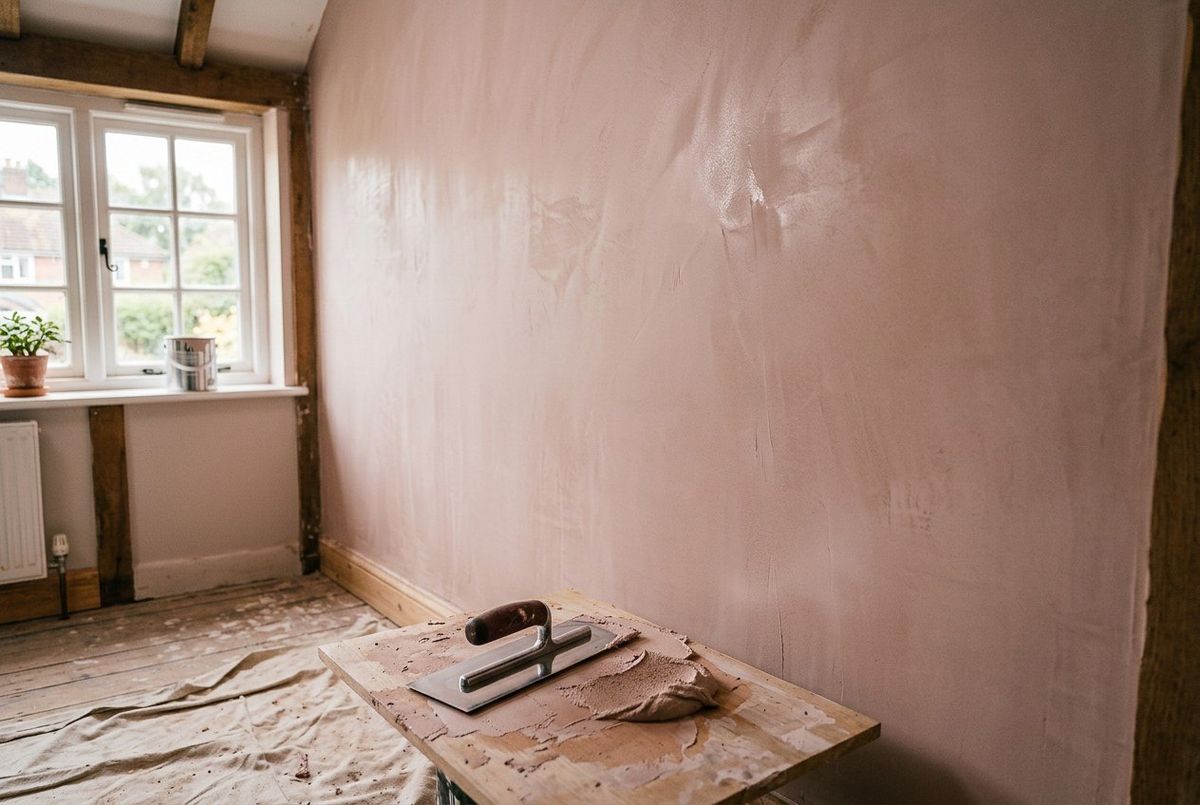
Small amounts of DIY waste, such as rubble, tiles and plasterboard from a household project, used to attract charges at some sites. In England the rules changed at the end of 2024, so that councils can no longer charge households for disposing of limited amounts of DIY waste at recycling centres, broadly up to two 50-litre bags or one bulky item per visit, within a limit on the number of visits. Larger quantities, or waste from a builder's job, are treated differently. Check your council's current policy, because the detail varies.
Vans, trailers and trade waste
Recycling centres are for household waste brought by residents. Many councils require a permit for vans, pick-ups or large trailers, or limit the number of visits, to stop trade waste being dumped for free. If a builder or gardener has done the work, the waste they produce is normally theirs to dispose of commercially, and that should be agreed in the quote. The hiring a tradesperson guide explains what a good quote should include.
Bulky waste collections
If you cannot take large items to a recycling centre yourself, your district council will usually collect them for a fee. Collections cover items such as sofas, beds, wardrobes, white goods and garden furniture. You book and pay online or by phone with the district council, not the county. Items in good condition may also be accepted by local reuse charities and furniture projects, which some councils list on their websites.
Bins and kerbside collections
Kerbside collections are run by the district councils, and the arrangements differ from district to district: bin colours, what goes in each bin, collection days and whether garden waste is a paid subscription. Several Lincolnshire districts have introduced a separate bin for paper and card in recent years. Your district council's website has a collection day finder for your address.
Paying someone to take your waste: your duty of care
This is the part that catches people out. Householders have a legal duty of care for their waste. If you pay someone to take it away and it ends up fly-tipped, you can be fined, even if you did not dump it yourself. Before you hand waste to anyone, including a man with a van advertising on social media:
- Ask for their waste carrier registration number.
- Check it on the Environment Agency's public register of waste carriers.
- Ask where the waste will be taken.
- Get a receipt that includes their name, the registration number and a description of the waste.
A very cheap price for a large load is a warning sign. Legitimate disposal costs money, and someone charging far less than a skip is likely to be cutting that cost somewhere.
Reuse before recycling
A lot of what goes to recycling centres still works. Furniture in good condition, working appliances, tools, bikes and building materials left over from a project can often go to a charity shop, a furniture reuse project or a community group, or be given away through local online groups. Some recycling centres have reuse shops or areas of their own. Reuse keeps costs down for everyone, and for larger items it can save you the bulky waste collection fee.
Hazardous items
Asbestos, chemicals, paint, gas cylinders and fluorescent tubes need special handling. Some can go to particular recycling centres, others need a specialist contractor. Never break up suspected asbestos yourself. Your council's pages explain the local options.
For more on running a home in the county, see the common jobs guide, or, for rural properties, rural and off-grid.